The History of Aion: Tower of Eternity: A Complete Timeline
Explore the fascinating history of Aion: Tower of Eternity, from its origins in 2008 to the thriving private server scene today.
The History of Aion: Tower of Eternity: A Complete Timeline
Aion: Tower of Eternity has been captivating players since 2008. This is the story of its remarkable journey through gaming history.
Fantasy MMORPG featuring aerial combat, stunning graphics, and PvPvE content in the Abyss
Let's explore how this beloved game evolved over the years and why it continues to thrive today.
Origins & Development
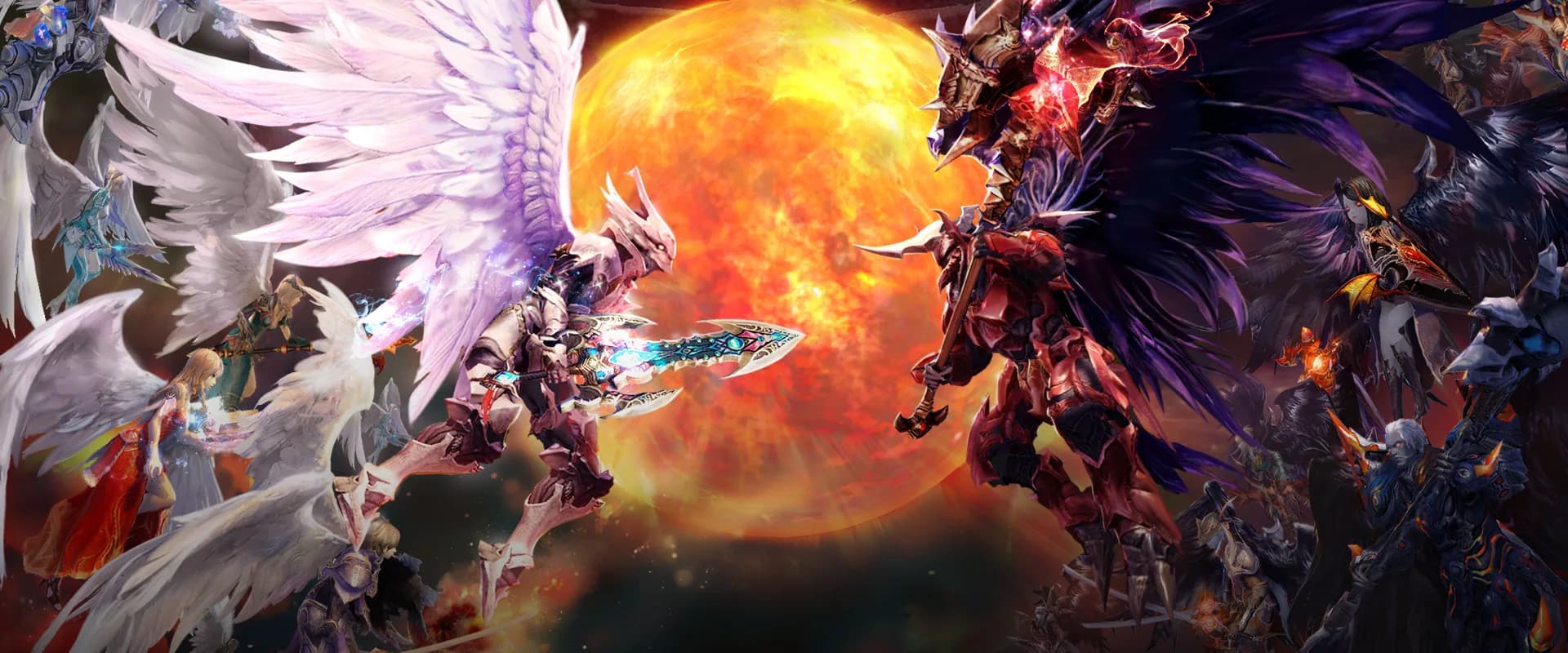
Aion: The Tower of Eternity was first unveiled at the May 2006 E3 Expo and developed at NCsoft's software design studio in South Korea. Given the massive success of NCsoft's previous titles, Lineage and Lineage II, Aion was one of the most highly anticipated MMORPGs of its generation. The game combined stunning visuals with innovative gameplay mechanics, most notably its revolutionary flight system that allowed players to take to the skies with angelic or demonic wings.
The Korean closed beta test began in late 2007, building substantial hype among the gaming community. Open beta testing launched on November 11, 2008, running for two weeks before the commercial release on November 25, 2008. The game's unique concept of PvPvE (Player vs Player vs Environment) combat, featuring three-way battles between the angelic Elyos, demonic Asmodians, and the dragon-like Balaur NPC faction, set it apart from competitors.
Following its Korean success, where it accumulated 3.5 million subscribers by May 2009, Aion expanded globally. The game launched in Japan on July 17, 2009, followed by North America on September 22, 2009, Australia on September 23, 2009, and Europe on September 25, 2009. NCsoft held six weekend-long closed beta tests for Western players beginning in June 2009, generating massive interest. At the end of 2008, Aion won 'Best Korean Game of the Year' for its epic scale, immersive story, and stunning graphics.
The game underwent significant evolution over the years. Its first major expansion, Assault on Balaurea, launched in September 2010, expanding the world and raising the level cap. A pivotal moment came on April 11, 2012, when Aion transitioned to a free-to-play model with the 'Truly Free' update, removing all subscription requirements and restrictions. This strategic move successfully revitalized the player population.
NCsoft continued supporting Aion with major expansions including Dark Betrayal (2013), which introduced the Gunslinger and Songweaver classes, and Echoes of Eternity (2016). In 2021, NCsoft launched Aion Classic servers, tapping into nostalgia by offering the original grind-heavy experience. Gameforge continues operating Aion Classic EU with regular updates, including the major 4.0 'Light of Atreia' expansion in October 2025 that introduced the new Luminess class.
The Early Days
When Aion: Tower of Eternity first launched, it introduced groundbreaking features that would define the genre.
Original Features:
- Aerial Combat
- Abyss PvPvE
- Fortress Sieges
- Stigma System
- Wings & Flight
Major Versions & Updates
Original Release (2008)
This version introduced:
- Warrior, Scout, Mage, Priest base classes
- 8 advanced classes at level 10
- Flight system with timed aerial combat
- The Abyss PvP zone
- Rift invasion system
Assault on Balaurea (2010)
This version introduced:
- Level cap raised to 55
- Balaurea region unlocked
- New instances and fortresses
- Expanded Abyss content
- New endgame gear progression
The Promised Lands (Ascension) (2011)
This version introduced:
- Level cap raised to 60
- Player housing system
- Ground and flying mounts
- Crafting system additions
- New PvP and PvE armor sets
Truly Free (Free-to-Play Transition) (2012)
This version introduced:
- No subscription required
- No content restrictions
- Cash shop introduction
- Renewed player influx
- Accessible to all players
Dark Betrayal (2013)
This version introduced:
- Gunslinger class (ranged DPS)
- Songweaver class (magic support)
- Level cap raised to 65
- Katalam and Danaria zones
- Idian Depths zone
Echoes of Eternity (2016)
This version introduced:
- High Daeva transformation at level 65
- Level cap raised to 75
- Archdaeva skills
- New zones and instances
- Enhanced character progression
Aion Classic Launch (2021)
This version introduced:
- Original grind-heavy leveling
- Classic PvPvE mechanics
- Traditional Abyss warfare
- Subscription-based model
- Authentic 2009-era experience
Light of Atreia (Classic 4.0) (2025)
This version introduced:
- Luminess class (crystalline magic)
- Iron Citadel dungeon
- Labyrinth of Echoes dungeon
- Cradle of Doom dungeon
- New PvP and PvPvE instances
Is Aion: Tower of Eternity Still Online in 2026?
Absolutely! Aion: Tower of Eternity is still online and thriving in 2026, decades after its original release.
While official servers may have evolved or changed publishers over the years, the game continues to have an active player base.
The private server community for Aion: Tower of Eternity is particularly vibrant, with dozens of servers offering various gameplay experiences - from authentic recreations of classic versions to custom content.
Whether you want to relive nostalgic memories or experience this classic for the first time, there are plenty of active communities waiting for you.
Impact on Gaming
Aion: Tower of Eternity left an indelible mark on the gaming industry.
Genre Influence
The game helped define what players expect from a MMORPG experience, influencing countless games that followed.
Cultural Impact
Beyond gameplay, the game created lasting communities and friendships that persist to this day.
Technical Innovations
The game pioneered several technical features that were ahead of its time.
Community Milestones
The community has celebrated many important moments:
- 2008: Korean Launch and Best Korean Game Award - Aion launched to critical acclaim in Korea, winning Best Korean Game of the Year for its epic scale and stunning graphics
- 2009: 3.5 Million Asian Subscribers - By May 2009, Aion achieved 3.5 million subscribers in Asia alone, establishing it as a major MMORPG success
- 2009: Global Launch in NA and Europe - Western launch in September 2009 brought Aion to a global audience, creating a thriving international community
- 2012: Truly Free Launch - Transition to free-to-play removed all barriers, revitalizing the population and ensuring long-term sustainability
- 2015: The Great Server Merge - Server consolidations combined communities for better matchmaking and livelier zones, though ending some server-specific legacies
- 2021: Aion Classic Server Launch - NCsoft launched Classic servers for nostalgic players, successfully reviving interest in the original Aion experience
- 2025: Aion 2 Announcement for Western Release - NCsoft announced Aion 2 for Western release in 2026, showing continued investment in the franchise
Private Server Legacy
The Aion private server community emerged shortly after the game's launch, with Aion-Emu being the first server development project that laid the foundation for all popular emulators known today. Written in Java, Aion-Emu was considered the most stable emulator for private servers, though its original development halted around September 2009. From this foundation, multiple forks emerged, including Aion-Lightning (considered the best emulator around version 4.7.5), Beyond-Aion (focusing on faithful recreation of the official experience), and Mobius AionEmu. The private server scene faced challenges with incomplete systems, design problems, and incorrect template data. By 2015, the organized development teams of the early years had diminished, though dedicated developers continue maintaining various emulator projects. Popular private servers today typically run versions 4.6-4.8, offering retail-like PvPvE experiences with low rates, no pay-to-win models, and custom features to meet community needs.
Preservation Efforts
Dedicated fans have worked tirelessly to preserve the classic Aion: Tower of Eternity experience for future generations.
Modern Private Servers
Today, players can enjoy various server types including Classic, Retail, High Rates , each offering unique experiences.
Why Players Still Return
Even after all these years, players continue to return for several reasons:
- Nostalgia: Reliving cherished memories from the golden era of gaming.
- Unique Gameplay: Features and mechanics that haven't been replicated in modern games.
- Community: Passionate communities that welcome both veterans and newcomers.
- Accessibility: Can run on almost any computer and is free to play on private servers.
- No Pay-to-Win: Many servers offer fair gameplay without cash shop advantages.
Conclusion
Aion: Tower of Eternity has stood the test of time, proving that great game design is timeless.
Its legacy lives on through the dedicated community and the many private servers keeping the experience alive.
Browse all Aion private servers on Nostalgic.gg.
Related Articles:
Last Updated: 2/19/2026
Own a Aion server?
List it free on Nostalgic.gg and reach thousands of players looking for their next server.